UAE Travel Market Trends 2026: Dubai Tourism Statistics, Growth Drivers and What Comes Next
Explore UAE travel market trends for 2026, Dubai tourism statistics, visitor growth, hotel performance and future attractions shaping travel to 2031.

UAE Travel Market Trends 2026: Dubai Tourism Statistics, Growth Drivers and
What Comes Next
Dubai entered 2026 from a position of extraordinary strength. The city welcomed a record
19.59 million international overnight visitors in 2025, an increase of 5% from 2024 and its third consecutive record year. At the same time, Dubai International Airport handled
95.2 million passengers, the highest annual international passenger traffic ever recorded by an airport.
These numbers show that Dubai is no longer simply recovering from the disruption experienced by global tourism earlier in the decade. It is expanding as a year-round destination for leisure trips, family holidays, business events, luxury travel, cruises, stopovers, wellness tourism and experience-led city breaks.
The first half of 2026 also demonstrated that growth will not always be linear. Regional airspace constraints temporarily reduced aviation capacity, but monthly traffic at Dubai International improved from 3.5 million passengers in April to 5 million in June as airlines and frequencies returned. Dubai Airports expects stronger momentum in the second half of the year, supported by the winter schedule, improving connectivity and Dubai's major events calendar.
This report examines the latest
UAE travel market trends, the most important
Dubai tourism statistics, changing traveler behavior and the long-term projects that are expected to define the
future of Dubai tourism through 2031 and beyond.
Planning a UAE trip? Explore [Dubai and UAE attraction tickets](https://www.travelzaha.com/tickets), [Dubai tours](https://www.travelzaha.com/tours) and [custom holiday packages](https://www.travelzaha.com/tour-packages) with TravelZaha Tourism.
Dubai Tourism Statistics 2025–2026: The Market at a Glance
The latest official figures reveal both the scale of Dubai's tourism industry and the strength of visitor spending, accommodation demand and international connectivity.
Market indicator | Latest reported figure | Why it matters :
| International overnight visitors to Dubai | 19.59 million in 2025, up 5% | Third consecutive record year for visitation |
| Record monthly arrivals | 2.04 million in December 2025 | First month above two million international overnight visitors |
| Dubai hotel inventory | 154,264 rooms across 827 establishments | Large and diversified accommodation supply |
| Average hotel occupancy | 80.7% in 2025 | Strong demand despite a very large room inventory |
| Occupied room nights | 44.85 million in 2025, up 4% | Evidence of sustained accommodation demand |
| Average daily hotel rate | AED 579 in 2025, up 8% | Indicates pricing power and premium demand |
| Revenue per available room | AED 467 in 2025, up 11% | Stronger hotel revenue performance |
| DXB annual passenger traffic | 95.2 million in 2025, up 3.1% | Record global international airport traffic |
| DXB connectivity | 291 destinations in 110 countries | Supports stopovers, direct arrivals and multi-market growth |
| UAE travel and tourism GDP | US$68.5 billion in 2025 | Demonstrates tourism's national economic importance |
| UAE international visitor spending | US$56.9 billion in 2025 | Highlights high-value inbound demand |
| DXB traffic in H1 2026 | 31.5 million passengers | Short-term decline linked to regional airspace constraints, followed by improving monthly traffic |
Dubai's 2025 tourism and hotel figures were reported by the [Dubai Department of Economy and Tourism](https://www.mediaoffice.ae/en/news/2026/february/09-02/dubais-tourism-industry-achieves-third-successive-record-breaking-year). Aviation figures come from [Dubai Airports](https://mediaoffice.ae/en/news/2026/february/11-02/dxb-sets-new-global), while regional economic figures are from the [World Travel & Tourism Council](https://wttc.org/news/middle-east-eir).
1. Dubai Is Moving From Recovery to Structural Tourism Growth
The most important Dubai tourism trend is consistency. International overnight arrivals rose from 17.15 million in 2023 to 18.72 million in 2024 and then to 19.59 million in 2025. That progression means Dubai added approximately 2.44 million annual visitors in two years.
Growth is being supported by more than advertising. Dubai combines a major global airline hub, extensive hotel inventory, year-round attractions, high service standards, multilingual tourism infrastructure and a calendar of retail, sporting and business events. This integrated model makes the city relevant to several traveller segments at the same time.
For tourism businesses, the opportunity is therefore broader than selling a single attraction. Travellers increasingly need connected itineraries that combine airport transfers, hotels, theme parks, museums, waterparks, desert activities, cruises and day trips to other emirates.
2. A Diversified Source-Market Strategy Is Reducing Dependence on One Region
Dubai's 2025 arrivals were spread across a wide range of regions:
- Western Europe:
**4.1 million visitors**, representing 21% of arrivals
- GCC countries: **2.99 million**, or 15%
- CIS and Eastern Europe: **2.89 million**, or 15%
- South Asia: **2.89 million**, or 15%
- Middle East and North Africa: **2.17 million**, or 11%
- North-East and South-East Asia: **1.85 million**, or 9%
- The Americas: **1.40 million**, or 7%
- Africa: **897,000**, or 5%
- Australasia: **401,000**, or 2%
This balance is commercially important. When travel demand slows in one market, Dubai can continue attracting visitors from other regions. It also creates demand for multilingual websites, region-specific payment options, culturally relevant packages and different booking windows.
South Asian travellers remain especially important. India was DXB's largest country market in 2025 with 11.9 million airport passengers. Saudi Arabia ranked second with 7.5 million, followed by the United Kingdom with 6.3 million. For UAE travel companies, family packages, short-haul GCC breaks and India–UAE holiday products should remain important growth areas.
3. Aviation Connectivity Remains Dubai's Strongest Competitive Advantage
Dubai International's 95.2 million passengers in 2025 represented a 3.1% annual increase. By year-end, DXB connected travellers to 291 destinations across 110 countries through 108 international airlines. This connectivity supports three markets simultaneously:
1. Visitors whose primary destination is Dubai
2. Stopover passengers who add a short Dubai itinerary
3. Transfer passengers who can be converted into future UAE visitors
The first half of 2026 was more challenging. DXB processed 31.5 million passengers, 31.3% below the same period in 2025, as regional airspace restrictions affected airline schedules. However, the monthly recovery during the second quarter, strengthening load factors and the return of international carriers indicate that underlying demand remained responsive when capacity became available. [Dubai Airports' August 2026 update](https://mediaoffice.ae/en/news/2026/august/26-08/dxb-enters-stronger-second-half-as-capacity-returns-and-investment-continues) points to a stronger second half as networks rebuild.
The longer-term signal is even more significant: Dubai is constructing a much larger aviation platform at Al Maktoum International Airport.
4. Al Maktoum International Airport Will Reshape Dubai's Tourism Geography
The expansion of Al Maktoum International Airport, also known as Dubai World Central or DWC, is one of the world's largest aviation infrastructure projects. The final development is designed for more than
**260 million passengers annually**, 12 million tonnes of cargo, five independent parallel runways, two passenger terminals, seven concourses and more than 430 aircraft stands.
In June 2026, Dubai announced that the project had entered large-scale construction. Packages worth more than AED 13 billion were already under execution, with preparations to award over AED 55 billion in additional major packages. The [official project update](https://www.mediaoffice.ae/en/news/2026/june/15-06/hamdan-bin-mohammed-approves-al-maktoum-airport) described an airport built around automation, operational intelligence and integrated air, road and rail connectivity.
For the tourism market, DWC is more than an airport expansion. It is likely to shift part of Dubai's future hotel, entertainment, transport and visitor economy toward Dubai South. That expectation is reinforced by Dubai's 2025 hotel incentive programme, which specifically targets Dubai South, Palm Jebel Ali, Dubai Parks and Dubai Islands.
5. Dubai's Hotel Market Is Growing in Both Scale and Value
Dubai finished 2025 with 154,264 hotel rooms across 827 establishments. Despite this substantial supply, average occupancy rose to 80.7%. The average daily rate increased 8% to AED 579, while revenue per available room grew 11% to AED 467.
Those figures point to three trends:
- Demand is keeping pace with room growth.
- Visitors are willing to pay for quality, location and differentiated experiences.
- Dubai can support luxury hotels, lifestyle properties, serviced apartments, resorts and value accommodation at the same time.
Recent openings have also widened Dubai's premium positioning, while policy is encouraging the next wave of rooms in emerging districts. Under the hotel incentive programme announced in 2025, eligible new properties in Dubai South, Palm Jebel Ali, Dubai Parks and Dubai Islands can receive a two-year reimbursement of the Dubai Municipality fee on room sales and the Tourism Dirham. The programme signals where a meaningful share of future hospitality investment may be concentrated.
6. Experience-Led Travel Is Replacing Simple Sightseeing
The Dubai visitor no longer wants only a photograph of the Burj Khalifa. Demand is shifting toward bookable, time-specific and shareable experiences: indoor theme parks, immersive digital art, premium waterparks, observation decks, desert safaris, yacht cruises, snow parks, cultural districts and guided food experiences.
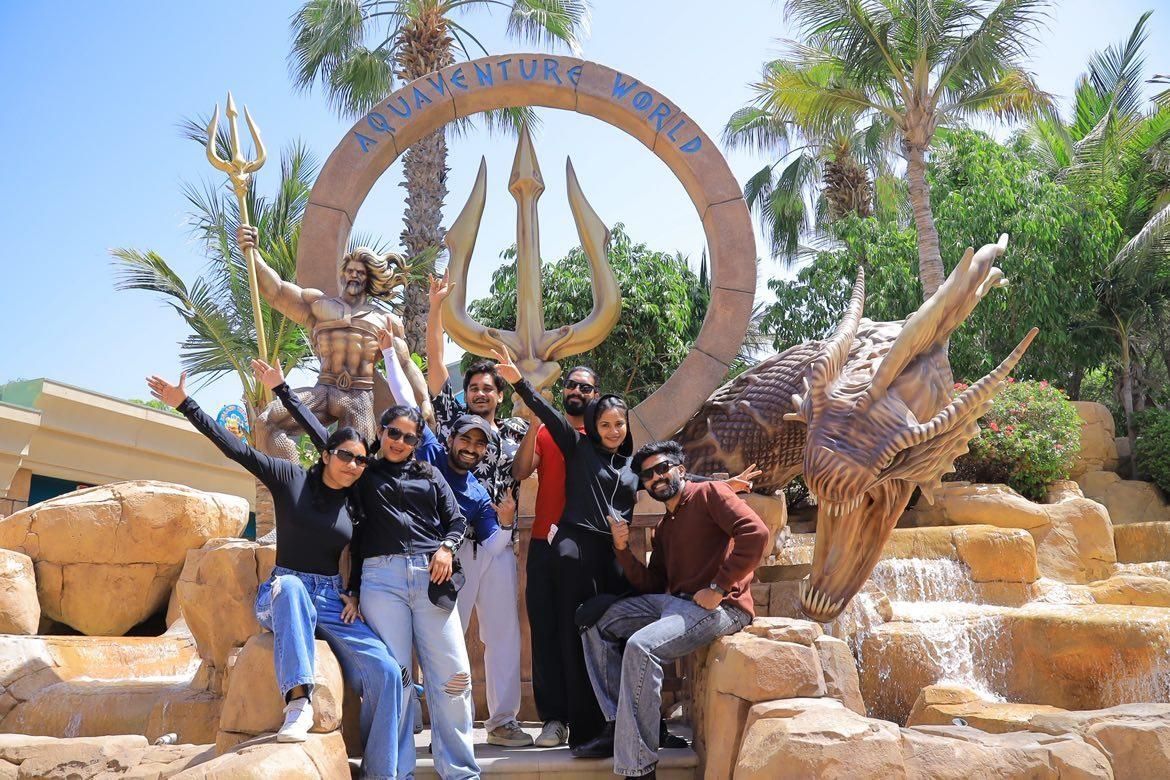
This trend favours travellers who plan ahead and operators that simplify multiple bookings. A family may combine [Atlantis Aquaventure tickets](https://www.travelzaha.com/attractions/atlantis-aquaventure-water-park-dubai-tickets), an indoor attraction, a desert safari and an Abu Dhabi day trip within one itinerary. Visitors can also browse [all UAE attractions](https://www.travelzaha.com/all-attractions) instead of purchasing disconnected products from multiple sources.
Indoor attractions are particularly important because they help make Dubai a year-round destination. Experiences such as Ski Dubai, AYA Universe, museums, aquariums and indoor theme parks provide alternatives during the hottest months, while Dubai Summer Surprises and hotel promotions support seasonal demand.
7. Family Travel and Multi-Generational Holidays Will Remain Core Segments
Dubai's mix of safety, direct air connectivity, family rooms, shopping, beaches and attractions makes it well suited to parents travelling with children and to larger multi-generational groups. The strongest family itineraries balance high-energy attractions with flexible, lower-intensity experiences.
A typical future-facing UAE itinerary could include:
- A Dubai city tour and observation deck
- A full-day waterpark or theme park
- An indoor attraction during the afternoon heat
- A desert safari
- A dhow or yacht cruise
- A day trip to Abu Dhabi's museums and Yas Island parks
This creates strong potential for modular packages in which travellers choose experiences according to age, budget and trip duration. TravelZaha's [top Abu Dhabi attractions](https://www.travelzaha.com/top-abu-dhabi-attractions) can support multi-emirate planning alongside Dubai bookings.
8. Business Events, Exhibitions and “Bleisure” Travel Are Expanding
Dubai is not dependent solely on holiday visitors. In 2025, Dubai Business Events secured 504 successful bids to host events through 2029, a 15% increase from the previous year. Dubai's exhibition, conference and incentive-travel pipeline supports weekday hotel demand and brings high-spending professional visitors into the city.
Business travellers increasingly extend work trips with leisure activities—a pattern commonly called “bleisure” travel. A conference attendee may add a weekend desert safari, a dining experience, a beach stay or an Abu Dhabi excursion. This creates opportunities for short, flexible products with instant confirmation and reliable transport.
WTTC reported that business-travel spending across the Middle East rose 23% in 2025, making it one of the region's strongest-performing tourism segments. That growth is likely to strengthen demand for corporate groups, meeting add-ons, premium transfers and post-event tours.
9. Wellness, Nature and Sustainable Tourism Are Becoming Mainstream
Dubai's next tourism phase will not be built only around larger buildings. Wellness, beaches, public spaces, nature-based recreation and sustainability are becoming more visible parts of the destination strategy.
In 2025, 153 hotels received the Dubai Sustainable Tourism Stamp, up from 70 in the previous year. Dubai Can's water-refill initiative had eliminated 42.7 million single-use plastic bottles by the end of 2025 through 65 refill stations. These figures show how sustainability is moving from marketing language into hotel operations and visitor infrastructure.
Future developments also support this shift:
-
**Therme Dubai:** An AED 2 billion wellbeing resort and interactive park planned for Zabeel Park. Official plans describe a 500,000-square-foot, 100-metre-high destination with thermal pools, wellness areas and capacity for 1.7 million visitors annually.
- **Dubai Islands:** A five-island development with more than 20 km of beaches, around two square kilometres of parks and plans for over 80 resorts and hotels, including wellness, family, boutique and eco-conscious properties.
- **Jebel Ali Beach:** Planned as Dubai's longest public open beach, extending 6.6 km across 330 hectares, with swimming, diving, running, cycling, family recreation and mangrove areas.
- **Dubai's public beach plan:** The total length of public beaches is targeted to grow from 21 km to 105 km by 2040.
For travellers, this means future Dubai holidays will offer more options beyond malls and landmark sightseeing: coastal recreation, wellness stays, outdoor movement and nature-sensitive experiences.
10. Walkability and Urban Mobility Will Improve the Visitor Experience
Dubai's scale makes transport planning essential. The Dubai Walk Master Plan aims to develop and improve more than 6,000 km of walkways across 160 areas by 2040, supported by 110 pedestrian bridges and underpasses. The target is to increase walking and soft-mobility trips from 16% in 2025 to 25% by 2040.
The first phase includes the Historic Al Ras Walkway, connecting heritage locations such as Al Ahmadiya School, Sheikh Saeed Al Maktoum House, Al Fahidi Fort and Al Shindagha Historic District. This matters for tourism because better pedestrian connectivity makes neighbourhood-based exploration easier and gives cultural districts more visibility.
Future visitors should be able to combine Metro, marine transport, walking, cycling and taxis more efficiently. That could spread tourism spending beyond the most famous districts and encourage deeper exploration of Old Dubai, Dubai Creek, emerging beachfronts and Dubai South.
11. Digital Booking, Personalisation and Instant Service Will Define the Travel Seller of the Future
The modern UAE traveller expects to compare experiences on a mobile phone, see a clear price, select a date, pay securely and receive a usable voucher quickly. This creates pressure on attractions, resellers and tour operators to improve real-time availability, multilingual content, payment options and customer support.
The likely next phase is more personalised packaging. Instead of presenting every visitor with the same list, booking platforms will increasingly recommend products based on trip length, group type, weather, location and previous choices. A family staying near Palm Jumeirah should see a different itinerary from a solo business traveller in Downtown Dubai.
This is an industry inference rather than an official forecast, but it is consistent with Dubai's wider investment in digital visitor experiences, self-service airport technology and partnerships between DET and global travel-technology companies.
For TravelZaha, the SEO and commercial opportunity is to connect useful planning content directly to relevant booking pages. A traveller reading about summer tourism should be able to move immediately to indoor attractions, while a family-travel article should link to waterparks, theme parks and flexible day tours.
Major Dubai Tourism Developments to Watch
The following confirmed or officially highlighted projects are likely to influence Dubai's visitor economy. Opening schedules can change, so travellers should verify operational dates before planning around a specific project.
Al Maktoum International Airport Expansion
Designed for a final capacity above 260 million passengers annually, the airport will anchor a new aviation, logistics, residential and hospitality ecosystem in Dubai South.
Therme Dubai
The Zabeel Park wellness resort and interactive park is designed for an annual capacity of 1.7 million visitors and combines thermal bathing, family entertainment, wellbeing, nature and dining.
### Dubai Islands
With more than 80 hotels planned, 20 km of beachfront and extensive parks and leisure facilities, Dubai Islands could become a significant resort and family-tourism cluster.
### Palm Jebel Ali and Jebel Ali Beach
Palm Jebel Ali is expected to expand Dubai's coastal and resort offering, while the 6.6 km Jebel Ali Beach project introduces public recreation, diving, running tracks, family zones and ecological protection.
### Dubai Museum of Art and Dubai Square Mall
DET has highlighted the Dubai Museum of Art and Dubai Square Mall among the city's upcoming developments. These projects indicate continued investment in cultural tourism, retail tourism and new destination districts. Specific visitor opening dates should be treated as subject to change until officially confirmed.
### Dubai Exhibition Centre Expansion
An expanded exhibition platform will support Dubai's meetings, incentives, conferences and exhibitions sector, reinforcing demand from global business travellers and event delegates.
### Dubai Walk and Heritage Connectivity
Pedestrian improvements across historic and modern areas are intended to make urban exploration easier, healthier and more accessible for residents and visitors.
## UAE Tourism Strategy 2031: The National Growth Framework
Dubai's tourism growth sits within a wider federal strategy. The [UAE Tourism Strategy 2031](https://u.ae/en/about-the-uae/strategies-initiatives-and-awards/strategies-plans-and-visions/tourism/uae-tourism-strategy-2031) targets:
-
**AED 450 billion** in tourism-sector contribution to national GDP
- **AED 100 billion** in additional tourism investment
- **40 million hotel guests** by 2031
The strategy focuses on a unified national tourism identity, more specialised tourism products, stronger sector capabilities, greater participation by Emirati talent and increased investment. For travellers, this should mean more reasons to combine Dubai with Abu Dhabi, Ras Al Khaimah, Sharjah, Fujairah and other emirates.
For tourism companies, the growth of multi-emirate travel is especially important. Travellers increasingly compare the UAE as one connected destination rather than treating each emirate as a separate trip.
## Dubai Tourism Outlook: What the Market Could Look Like From 2026 to 2031
| Period | Expected market direction | Practical impact for travellers and tourism businesses |
|---|---|---|
| Second half of 2026 | Aviation capacity recovery, winter demand and major events | Improved connectivity and renewed demand for advance bookings |
| 2027–2029 | More hotel, beachfront, wellness, cultural and business-event capacity | Wider accommodation choices and more geographically diverse itineraries |
| Early 2030s | Initial major capacity at Al Maktoum International Airport | Growth around Dubai South and new transport, hotel and stopover products |
| By 2031 | Progress toward UAE Tourism Strategy targets | More multi-emirate products, tourism investment and specialised experiences |
| By 2040 | Expanded beaches, walkability and urban visitor infrastructure | More outdoor, coastal, heritage and neighbourhood-based tourism |
This outlook is not a promise that every announced project will open on a fixed date. It is an evidence-based interpretation of official strategies, construction programmes and market performance.
## What These UAE Travel Trends Mean for Visitors
### Book Major Attractions Before Arrival
Record visitor numbers can create strong demand during weekends, school holidays and the October-to-April peak season. Reserving timed attractions and high-demand experiences in advance can improve itinerary certainty.
### Use Indoor Attractions for Summer Itineraries
Dubai is a year-round destination, but summer plans work best when outdoor activities are scheduled early or late and the hottest part of the day is reserved for indoor museums, theme parks, aquariums and snow experiences.
### Combine Dubai and Abu Dhabi
Improving UAE-wide tourism infrastructure makes multi-emirate trips increasingly practical. Dubai can be paired with Yas Island, Louvre Abu Dhabi, Qasr Al Watan, Sheikh Zayed Grand Mosque and other capital attractions.
### Compare Total Value, Not Only the Lowest Ticket Price
The cheapest listing is not always the best overall option. Travellers should check inclusions, date validity, cancellation rules, transfer arrangements and whether confirmation is instant or manual.
### Leave Space for New Districts
Future Dubai itineraries will extend beyond Downtown Dubai, Dubai Marina and Palm Jumeirah. Dubai South, Dubai Islands, Jebel Ali, Expo City and emerging beachfront areas are becoming increasingly important.
## Frequently Asked Questions About UAE and Dubai Tourism Trends
### How many international tourists visited Dubai in 2025?
Dubai welcomed 19.59 million international overnight visitors in 2025, a 5% increase from 18.72 million in 2024. It was the city's third consecutive record tourism year.
### Is Dubai tourism still growing in 2026?
Dubai entered 2026 with record 2025 tourism, hotel and airport results. Regional airspace constraints reduced DXB passenger volumes in the first half of 2026, but monthly traffic improved through the second quarter as airline capacity returned. Dubai Airports expects stronger second-half momentum.
### What are the biggest UAE travel market trends for 2026?
The main trends are experience-led travel, family holidays, luxury and lifestyle hotels, business events, wellness tourism, digital booking, sustainable hospitality, multi-emirate itineraries and continued aviation investment.
### What is the future of Dubai tourism?
Dubai's tourism future is being supported by Al Maktoum International Airport, new hospitality districts, Dubai Islands, Palm Jebel Ali, Therme Dubai, expanded beaches, pedestrian infrastructure, cultural projects and a growing business-events calendar.
### What is the UAE Tourism Strategy 2031?
It is a national strategy targeting AED 450 billion in tourism GDP contribution, AED 100 billion in additional tourism investment and 40 million hotel guests by 2031.
### Which Dubai areas are expected to see more tourism development?
Official policy and investment announcements highlight Dubai South, Palm Jebel Ali, Dubai Parks and Dubai Islands as future high-growth hospitality areas. Expo City, Jebel Ali and new beachfront districts are also important.
### Will Dubai remain a year-round destination?
Yes. Indoor attractions, summer retail campaigns, resort offers and air-conditioned entertainment support demand during warmer months, while beaches, desert experiences and major events drive the peak winter season.
### Why is Dubai important for business tourism?
Dubai combines international air connectivity, large exhibition venues, premium hotels and a strong calendar of conferences and trade shows. Dubai Business Events secured 504 successful event bids in 2025 for events taking place through 2029.
### Should Dubai attraction tickets be booked in advance?
Advance booking is recommended for popular timed attractions, weekends, public holidays and peak-season dates. Travellers should always review the product's inclusions, validity and cancellation conditions.
### How can travellers plan a multi-emirate UAE holiday?
Begin with Dubai as the main air hub, then add Abu Dhabi, Ras Al Khaimah, Sharjah or Fujairah based on available days and interests. TravelZaha offers [UAE tickets](https://www.travelzaha.com/tickets), [Dubai tours](https://www.travelzaha.com/tours) and [holiday packages](https://www.travelzaha.com/tour-packages) that can be combined into one itinerary.
## Final Outlook: Dubai Is Building Capacity for the Next Generation of Travel
Dubai's tourism market is becoming larger, more diverse and more experience-led. Record 2025 visitor, hotel and airport figures confirm the strength of global demand. The first half of 2026 showed that external disruption can affect short-term capacity, but the speed at which passenger volumes responded as flights returned also demonstrated the market's resilience.
The long-term direction is clear: more aviation capacity, new hospitality districts, larger beaches, stronger wellness and cultural offerings, better pedestrian infrastructure and a wider range of digitally bookable experiences. Dubai will continue competing not only as a holiday destination but also as a global centre for events, business, investment, stopovers and long-term stays.
For travellers, the result is more choice—but also a greater need for reliable planning. TravelZaha Tourism helps visitors compare and book experiences across Dubai and the UAE with local assistance and convenient online access.
**Start planning your UAE journey:** Browse [attraction tickets](https://www.travelzaha.com/tickets), [Dubai tours](https://www.travelzaha.com/tours), [Abu Dhabi attractions](https://www.travelzaha.com/top-abu-dhabi-attractions) and [custom travel packages](https://www.travelzaha.com/tour-packages).